Do you need a permit to remodel a bathroom in Baltimore?
Tile and a new vanity top usually don't need a permit. A new toilet, faucet or light fixture usually does. Here's how Baltimore City and Baltimore County draw the line.
· By Solomon Construction & Remodeling, Baltimore remodeling contractor
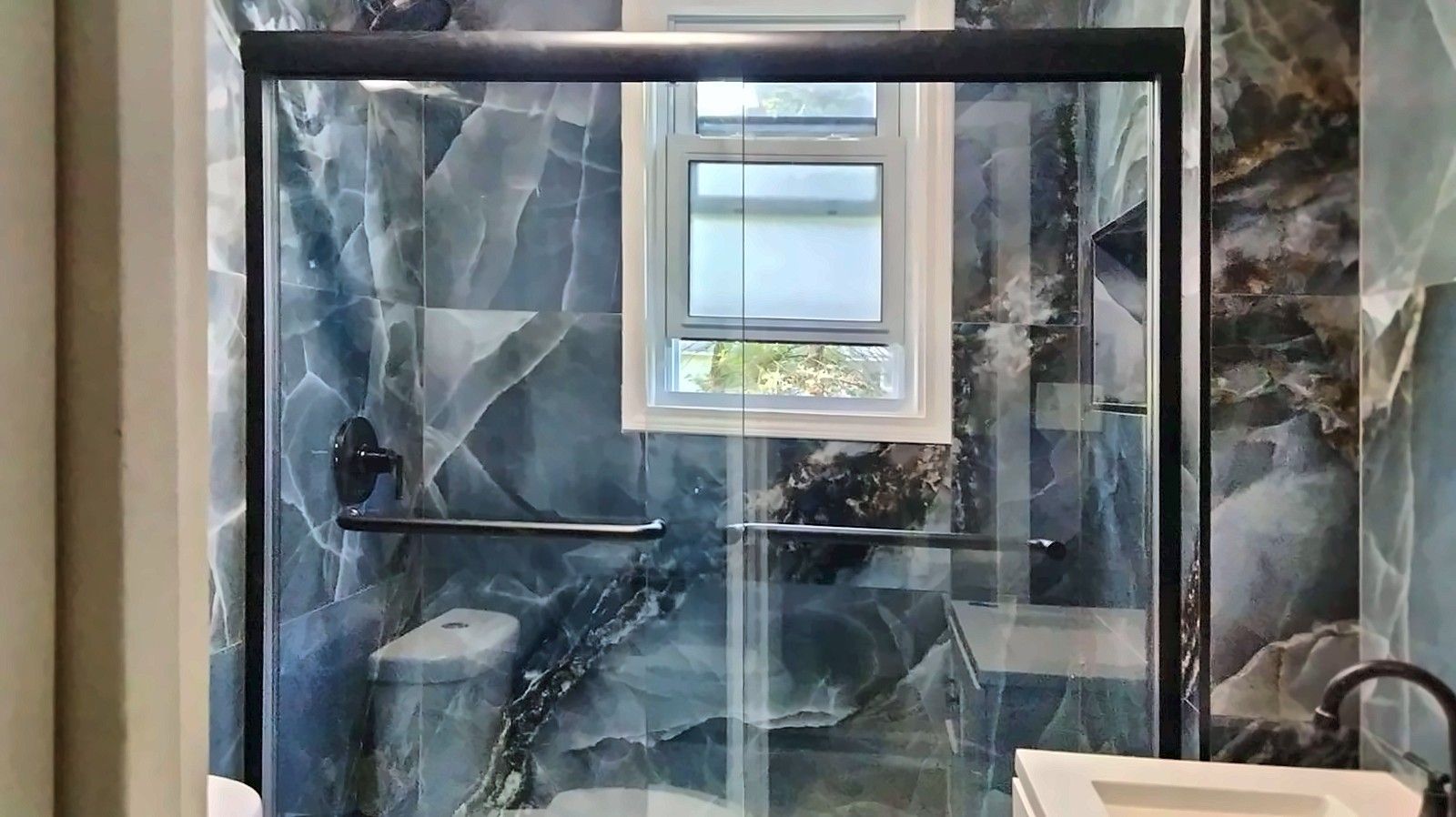
Most bathroom remodels in Baltimore need at least one permit, but usually not for the part people expect. Tile, paint and cabinets are generally exempt. What triggers a permit is the plumbing and electrical work: a new toilet, faucet, shower valve, fan or light fixture, even when it goes in the same spot as the old one. Baltimore City and the surrounding counties handle the details differently, and the rules below are what each jurisdiction publishes. Confirm for your address before work starts.
Bathroom permits at a glance
| Jurisdiction | Tile, cabinets, paint only | New or replaced fixtures | Moving fixtures or walls |
|---|---|---|---|
| Baltimore City | No permit | Plumbing and electrical permits, pulled by City-licensed trades | Alteration permit with existing and proposed floor plans |
| Baltimore County | No building permit | Plumbing and electrical permits, pulled by County-licensed trades | Alteration permit if the work is structural or creates a bedroom |
| Howard County | Interior alterations are listed as permitted work | Separate trade permits, pulled by licensed trades | Building permit |
| Anne Arundel County | Filed as a Residential Alteration; requirements vary | Trade permits may also apply | Residential Alteration permit |
What needs a permit in Baltimore City?
In Baltimore City, interior finish work is on the list of work exempt from permits: tiling, cabinets, countertops, painting and papering. A permit is needed to add or replace plumbing, gas, mechanical or electrical fixtures and devices, even in the same size and location. (DHCD permit information)
So a “cosmetic” remodel that keeps every fixture in place still needs trade permits once the toilet, faucets or lights are swapped. Changing the layout goes a step further. Moving a fixture, adding a new one, or moving or adding a wall is an alteration, and the City asks for existing and proposed floor plans with the application.
What needs a permit in Baltimore County?
Baltimore County doesn’t require a building permit for a residential bathroom remodel, but plumbing and electrical permits are always required. The licensed plumber and electrician apply for their own permits before their work begins. (Baltimore County PAI)
A residential alteration permit comes into play in three cases: the work is structural, the project creates a new bedroom, or the house is in a County historic district or on the Landmarks List and the job touches the exterior. If you’re not sure which applies, the County’s permits office answers that question at 410-887-3953.
Who pulls the plumbing and electrical permits?
Licensed trades pull trade permits, not the homeowner and not a general remodeler. In Baltimore City, only a City-licensed master plumber or master gas fitter can be issued a plumbing permit, and only a City-licensed master, master restricted, restricted or maintenance electrician can be issued an electrical permit. (City Building Code sec. 2903) Baltimore County has the same idea: only County-licensed plumbing and electrical contractors can apply.
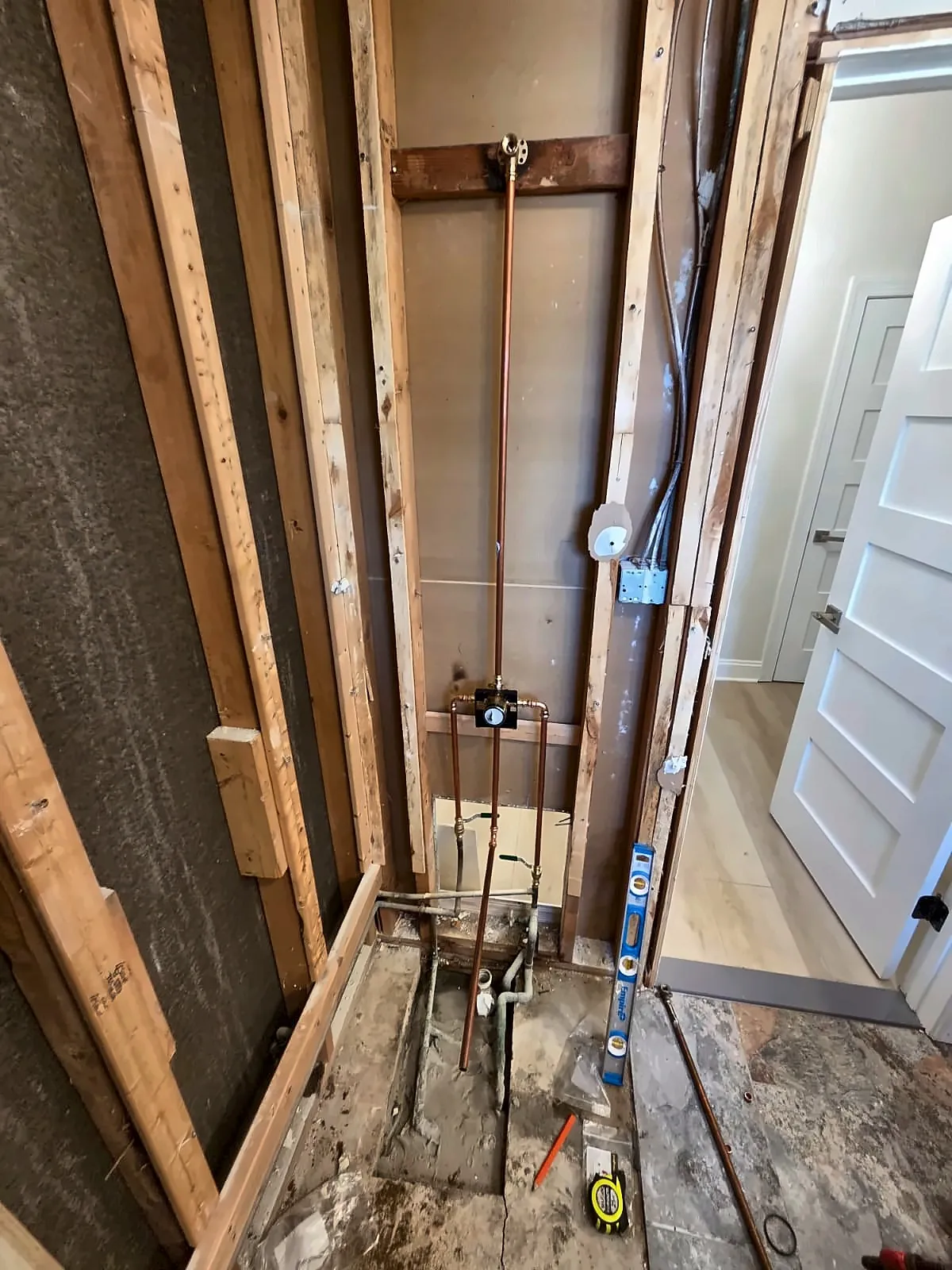
On our bathroom jobs, licensed plumbers and electricians handle the work the law requires them to do, and their permits are part of the schedule from the start. Inspections happen while the walls are still open, so nothing gets tiled over before it’s been signed off.
What about Howard County and Anne Arundel County?
Howard County’s residential permit sheet lists interior alteration work among the typical jobs that need a building permit, and plumbing and electrical work need their own trade permits from licensed trades. That sheet is dated 2019, so check that it’s still current. (Howard County DILP)
Anne Arundel County files a renovation that doesn’t expand the house’s footprint as a Residential Alteration, under a Residential Single Family Dwelling permit. The County notes that requirements can vary and that trade permits may also apply. (Anne Arundel Inspections and Permits)
What changes the answer?
A few things turn a simple bathroom job into one that needs more paperwork:
- Moving fixtures. Relocating a toilet, tub or shower drain means new plumbing runs and, in the City, an alteration permit with floor plans.
- Moving walls. Taking space from a closet or hallway to enlarge the bathroom is an alteration in both jurisdictions, and a structural one if the wall carries load.
- Historic districts. In the City’s CHAP districts and the County’s historic districts, work that affects the outside of the house gets extra review. A new bathroom window or exhaust vent through an exterior wall can count.
- A new bathroom. Adding a bathroom where there wasn’t one, such as in a basement, involves new drain and vent lines and the trade permits that come with them.
How to plan around permits
The simplest approach is to settle the layout before demolition. If every fixture stays where it is, the job usually needs only trade permits, and those move quickly. If you want to move the toilet or take down a wall, decide that early so the drawings and permits are in hand before anyone starts tearing out tile.
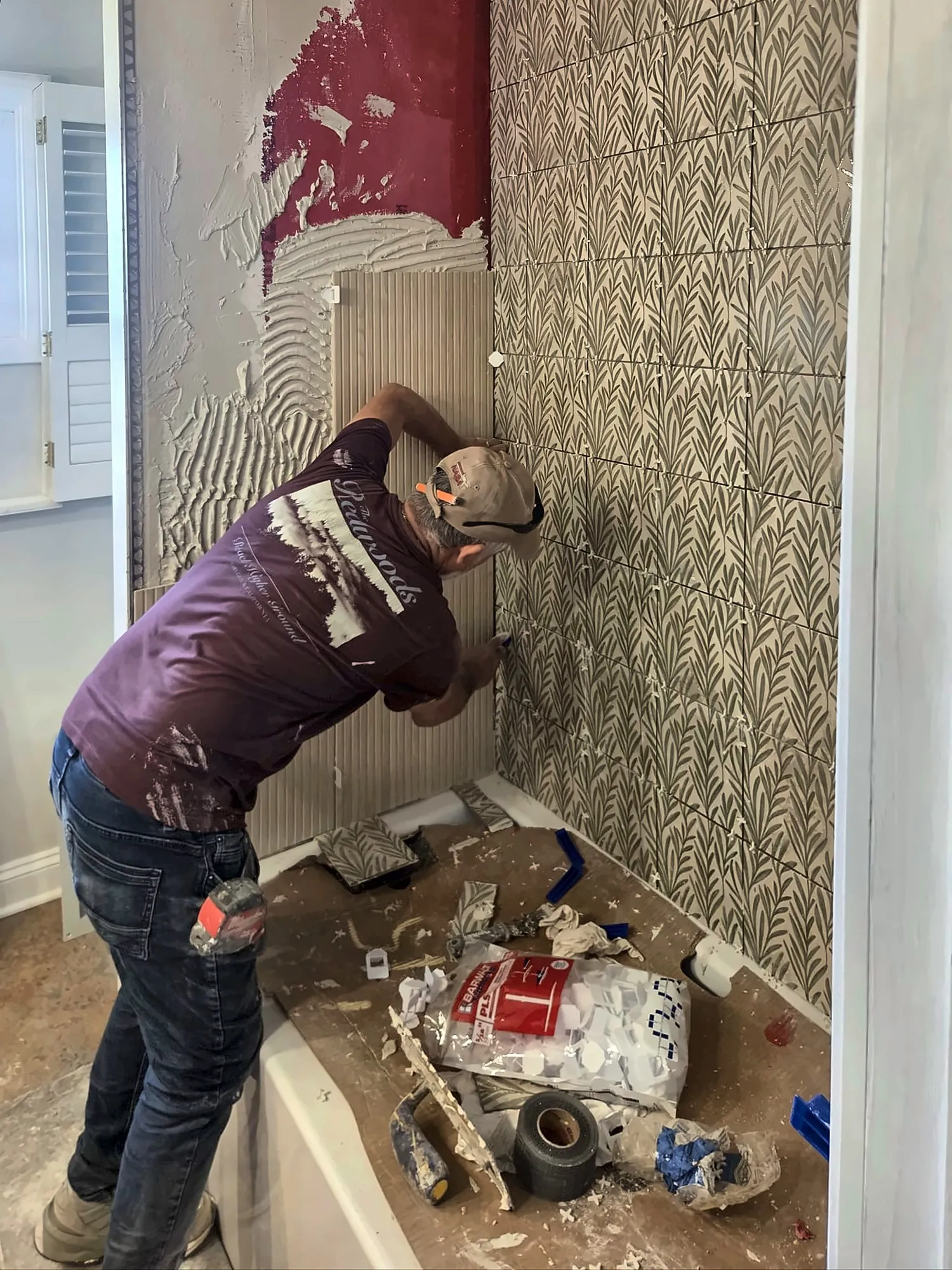
We cover the full process, from tear-out and waterproofing to tile and fixtures, on our bathroom remodeling page. Two of our own jobs show it start to finish: a leaf-tile bathroom tiled over a waterproofing membrane, and a navy-vanity bathroom rebuilt from a gutted room. For town-specific notes, see bathroom remodeling in Baltimore City, Towson, Ellicott City and Glen Burnie. If old leaks have damaged the walls or ceiling around the bathroom, our drywall repair work can be folded into the same job.
Permit rules change over time. This post reflects what each jurisdiction published as of October 2026; check the links above or call the permit office for your address before you rely on it.
Related services